What Actually Goes Under a Patio
The part nobody sees is the part that determines whether the surface stays flat.
September 16, 2026 · 3 min read
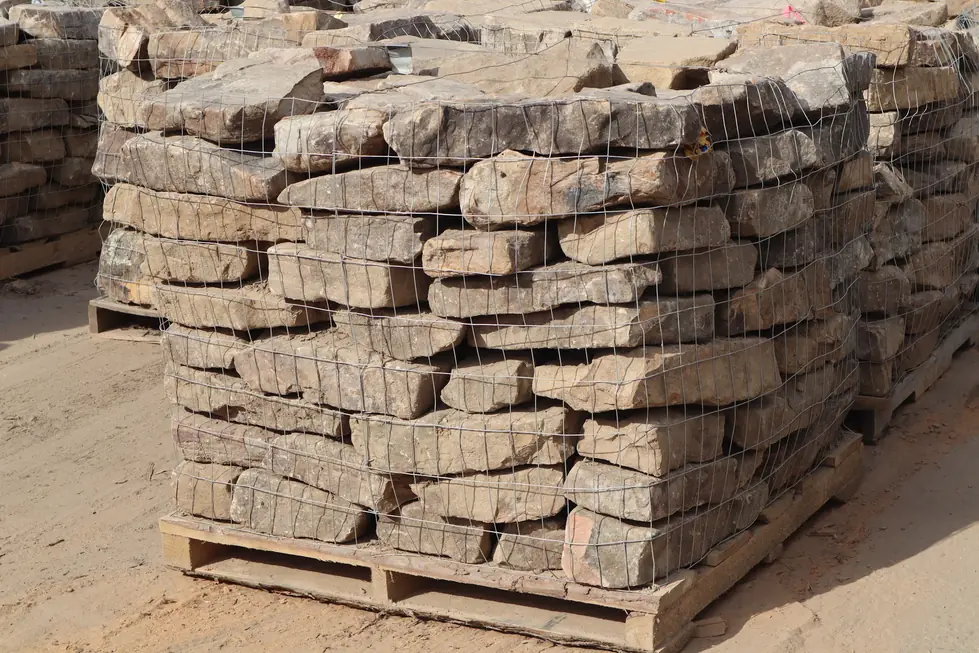
The base is the part nobody sees and the part that decides everything
A patio's surface, whether it is pavers, flagstone, or travertine, only ever performs as well as what sits underneath it. Every crack, every low spot that collects water, every paver that rocks underfoot a year after installation traces back to the base, not the surface material. Getting the base right the first time is the difference between a patio that is still flat a decade later and one that needs to be pulled up and redone.
Compacted aggregate base: the structural layer
The base layer's job is to spread the load evenly and resist movement, and that comes from a compactable aggregate placed in lifts and compacted with a plate compactor, not just dumped and left loose. Crusher run is a common choice for this layer because it carries fines, the fine particles and dust mixed in with the crushed stone, and those fines are exactly what let it lock up tight when compacted. That density is what gives the base its structural strength.
Why washed No. 57 does not lock up the same way
Washed No. 57 stone has had its fines removed, it is clean, uniform, angular gravel with nothing binding the pieces together. That makes it excellent for drainage layers, where water needs to move through freely, but it will not compact into a solid, load-bearing mass the way crusher run does. Using washed stone where a compacted structural base belongs is a common mistake, the base stays loose under the surface material no matter how much it gets tamped, and settling follows.
Separation fabric
A layer of geotextile fabric between the compacted base and the sub-grade beneath it keeps native soil, especially Cobb County's clay, from migrating up into the aggregate base over time. Without it, fine clay particles work their way into the base's air gaps through seasonal wet and dry cycles, and the base slowly loses the structural integrity that made it a good base in the first place.
Screeded bedding layer
On top of the compacted base sits a thin, screeded layer of bedding sand or fine aggregate, usually M-10 sand, struck flat and level with a screed board. This is the layer pavers or flagstone actually sit in and get leveled against, and it needs to be a consistent depth across the whole patio. A screeded layer that is thick in one spot and thin in another telegraphs straight through to an uneven surface once the pavers go down on top of it.
Edge restraint
Every paver patio needs a restraint at its perimeter, a rigid edge that keeps the field of pavers from creeping outward under foot traffic and seasonal ground movement. Without edge restraint, the paver field slowly spreads at the edges, joints open up, and the whole surface loosens from the outside in.
Polymeric sand and the watering step people skip
Polymeric sand fills the joints between pavers and, once it is watered in correctly, sets up to lock the pavers together and resist weed growth and ant intrusion. The step people get wrong is watering. The sand needs a controlled, even watering pass right after it is swept into the joints, and it needs to be watered again at the manufacturer's recommended interval so the binding agent activates fully through the joint depth, not just at the surface. Too little water and the sand never binds. Too much, too fast, and it washes out of the joints before it sets. Read the specific product's instructions before starting, since binding times and watering steps vary by manufacturer.
What a solid patio base includes, layer by layer
- Compacted sub-grade, the native soil the whole system sits on.
- Separation fabric between sub-grade and base.
- Compacted aggregate base, commonly crusher run, placed and compacted in lifts.
- Screeded bedding layer, commonly M-10 sand, struck level.
- Pavers, flagstone, or travertine set on the bedding layer.
- Edge restraint around the full perimeter.
- Polymeric sand in the joints, watered in per the product's instructions.
We stock the aggregates, sand, fabric, and polymeric sand this whole system needs, along with paver lines from Discover, Vantage, Antika, Villagio, and Stonehurst, and manufacturer systems from Keystone Hardscapes, Techo-Bloc, Tremron, and County Materials Corp. Bring your measurements to the counter and we can help work out quantities for each layer before the truck gets loaded.
Danilo's Landscape Supply, (470) 658-3754
Call (470) 658-3754More articles
Fill Dirt vs. Topsoil vs. Planting Soil: What's the Difference
Three materials that get treated as the same thing at the counter, and aren't.
How to Work Out How Much Material You Need
The math that keeps you from ordering short, or from a half pallet left in the driveway.